Introduction
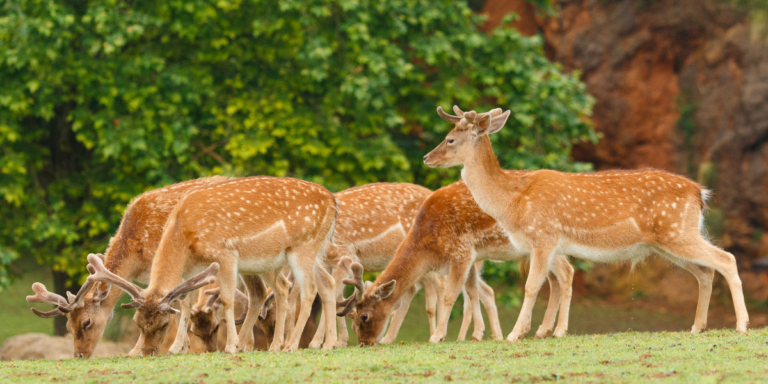
Wildlife is one of the most beautiful and important parts of our planet. From large elephants walking across African plains to tiny insects living deep in forests, wildlife exists in every corner of the Earth. These animals, birds, reptiles, and marine creatures create balance in nature and make the world more colorful and interesting. Many people admire wildlife because it shows the beauty and mystery of nature in its purest form.
Around the world, different environments support different forms of wildlife. Jungles, deserts, mountains, oceans, and grasslands are home to millions of species. Each animal plays a special role in keeping ecosystems healthy and balanced. Wildlife not only benefits nature but also supports human life in many ways.
Diversity of Wildlife
One of the hidden wonders of wildlife is its incredible diversity. Scientists estimate that millions of species exist on Earth, and many have not even been discovered yet. Tropical rainforests are especially rich in wildlife because they provide food, water, and shelter for countless animals.
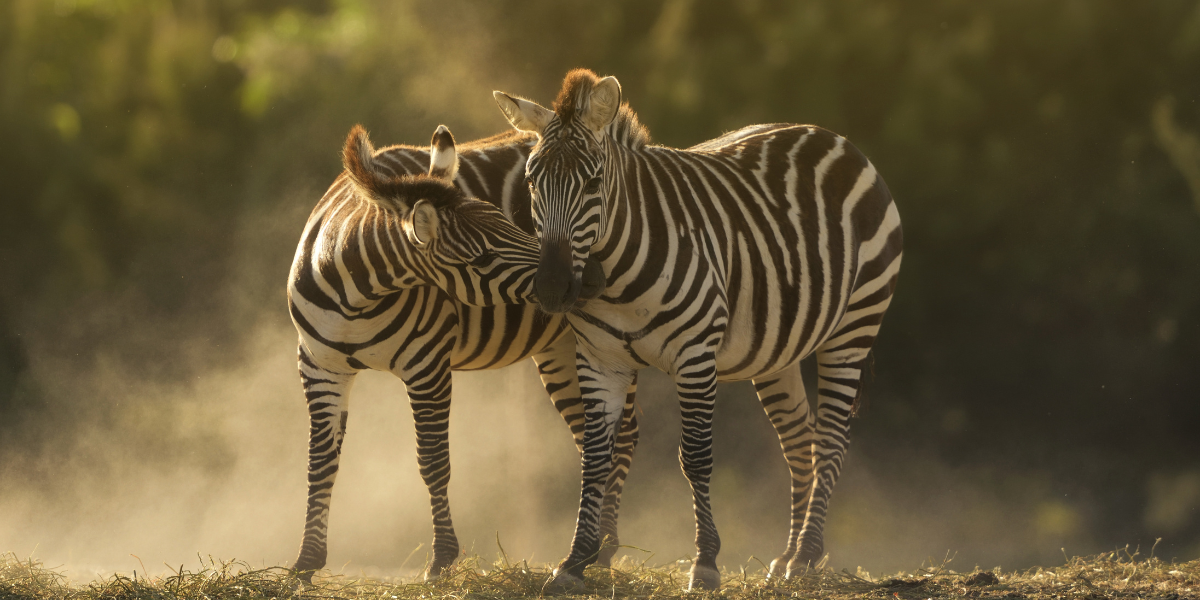
Africa is famous for lions, giraffes, and zebras, while the Arctic is home to polar bears and seals. In the oceans, colorful fish, whales, dolphins, and coral reefs create a fascinating underwater world. Every region has unique wildlife adapted to its environment.
Animals have developed amazing survival skills over time. Some can camouflage themselves to hide from predators, while others can run at great speed or survive in harsh climates. These natural abilities make wildlife both powerful and inspiring.
Importance of Wildlife
Wildlife is essential for maintaining ecological balance. Animals help spread seeds, control insect populations, and support food chains. Bees and butterflies help pollinate plants, which is necessary for growing fruits and vegetables.
Wildlife also contributes to tourism and scientific research. Many people travel to national parks and wildlife reserves to observe animals in their natural habitats. This creates jobs and supports local economies. Researchers study wildlife to learn more about animal behavior, medicine, and environmental changes.
In addition, wildlife has cultural and educational importance. Many traditions, stories, and symbols around the world are connected to animals and nature.
Threats to Wildlife
Unfortunately, wildlife faces many dangers today. Deforestation, pollution, climate change, and illegal hunting are destroying natural habitats. Many species are becoming endangered because they cannot adapt quickly to these changes.
Human activities such as cutting forests and polluting rivers directly affect animals and their survival. Marine wildlife also suffers from plastic waste and overfishing in the oceans.
Conclusion
The hidden wonders of wildlife remind us how valuable nature truly is. Every species, big or small, plays an important role in the environment. Protecting wildlife is necessary for the future of the planet and future generations. By supporting conservation efforts and respecting nature, humans can help preserve the beauty and diversity of wildlife around the world.